News

News

Latest news and updates from our company

Sinopec Zhejiang Zhoushan Petroleum Co Ltd
2026-04-17

Sinopec Zhejiang Zhoushan Petroleum Co Ltd

 Sinopec Zhejiang Zhoushan Petroleum Co Ltd marks a critical chapter in China’s story of refining expansion and energy transformation. Over the last decade, we have watched a steep rise in large-scale integrated refining and petrochemical bases along the country’s eastern shoreline. Zhoushan stands out, drawing plenty of attention due to its massive output capacity combined with direct access to global shipping lanes. From inside our own production floors, where we handle everything from feedstock logistics to final drum filling, the significance of such a plant goes far beyond statistics in a news headline—these facilities rewire the way raw materials reach downstream processors, packaging lines, and end users across Asia.  Every chemical manufacturer in China feels the shift as Zhoushan ramps up operations. A refinery of this scale means a dependable flow of aromatics, olefins, base oils, and specialty intermediates. We see fewer bottlenecks and more opportunities to plan longer-term contracts, especially for customers in plastics, textiles, adhesives, and coatings. Only a few years ago, uncertainty over naphtha supply or propylene price jumps caused headaches every month. Since plants like Zhoushan came online, supply chains absorb shocks better. That translates into smoother operations for our production teams and more stability in costs for our customers.  Today’s chemical business works in the shadow of tightening environmental policies. Local inspectors pay regular visits, and emission data now forms part of our monthly paperwork. Zhoushan’s refining complex leads a new class of operations fitted with desulfurization towers, advanced flare gas recovery, and continuous process analytics. We hear less talk of corner-cutting now; neighbors expect real action to cut fugitive VOCs and avoid waste discharges. These standards ripple outward. If a giant like Zhoushan puts its weight behind cleaner blending and more robust wastewater handling, mid-sized producers like us follow. Compliance is no longer just a regulatory checkbox but a daily operating principle.  On our side of the production line, technology adaptation often means walking a tightrope—balancing legacy gear from earlier decades with new process integration. The pressure to modernize picks up when a national flagship starts up a new downstream unit or introduces a proprietary process for, say, paraxylene or hydrogen recovery. We have teams continually tracking what’s rolling out at Zhoushan and other similar mega-refineries. Their moves to digitalize production or recycle process gases push our own R&D to keep pace. Better allocation of heat, smarter catalysts, and process control upgrades can all be traced to benchmarks set by these newer installations. For us, this isn’t a race we can sit out. Customers want the newest grades, the lowest residual contaminants, and short lead times.  The logistics story is where plant geography hits home for us as chemical producers. Zhoushan’s integration with one of the world’s largest deep-water ports flips the script for north-south rail and inland barge operators. A tanker docking at Zhoushan means quicker clearances and easier blending operations on-site. For specialty or hazardous cargoes, we see dramatic reductions in dwell time and fewer transshipment risks. The value isn’t just in minutes shaved from shipping schedules—it’s in reliability. Uptime and shipment tracking have become sharper. Our own customers, especially export-facing ones, now demand full tracking from tank filling to vessel departure. The efficiency gains rippling outward help lower overall landed costs while letting us resume production faster after scheduled maintenance or raw material delays.  With mega-refineries like Zhoushan flooding the market with a broader cut of base chemicals, local producers must think differently. We can no longer count on a narrow portfolio or proximity to market. Our sales and R&D strategists now lean harder on differentiation, targeted blends, and specialty formulations that escape pure commodity price wars. At the same time, buyers expect us to match Zhoushan’s scale with technical expertise and customization. Deepening technical support, faster lab turnarounds for new applications, and collaborative development projects shift the conversation away from price alone. Keeping up with major feedstock trends set by players like Zhoushan forces a nimble mindset even in mature product categories.  Not every impact improves our bottom line. Operating adjacent to a monster complex brings its own challenges. Skilled labor gets drawn away to higher-profile, higher-pay roles. Local supply chains tighten as equipment vendors and haulers prioritize mega-orders. In this environment, we work harder to find, train, and keep process operators who can troubleshoot both the old four-column stills and the new distributed control systems. It also means building better relationships with parts suppliers and raw material forwarders—an unglamorous but real part of everyday factory life. For many mid-sized manufacturers, rising real estate and environmental compliance costs threaten overall competitiveness.  In our experience, collaboration offers more than rivalry. Integrated industrial parks anchored by groups like Sinopec attract small and medium manufacturers as satellite partners. We see this dynamic play out in shared pipeline infrastructure, pooled waste handling, and technology exchanges at regular forums. Staying close to the core refinery brings access to consistent feedstock and technical resources we could never secure on our own. For us, the answer isn’t to mimic a mega-site’s footprint but to build up value-added roles around fast-changing demand and specialty end-use solutions. Close cooperation between feedstock giants and application-driven producers supports a healthier industrial ecosystem, where efficiency and innovation catch up with scale.  Large-scale investments like Sinopec Zhejiang Zhoushan shape the industry’s expectations for efficiency, quality, reliability, and responsibility. For those of us in the business of chemical manufacturing, the standards aren’t abstract targets—they define our day-to-day operations, technology investments, customer relationships, and even our recruitment strategies. Adapting quickly, learning from new benchmarks, and keeping core processes nimble are essential if mid-tier producers want to thrive beside such industry powerhouses. Mobile: +8615365186327E-mail: sales3@ascent-chem.comWebsite: www.zhejiang-petroleum.com
Read More
Zhejiang Petroleum & Chemical Co Ltd
2026-04-17

Zhejiang Petroleum & Chemical Co Ltd

 From our position as a chemical manufacturer, it’s impossible to ignore the influence Zhejiang Petroleum & Chemical Co Ltd brings to the global chemical scene. Over the years, its rapid expansion has signaled the shifting balance of power within petrochemicals, setting a pace that has left many regional players reassessing their strategies. Operations on that scale, with high annual output capacity, change the game for sourcing both raw materials and finished products. As rivals ramp up supply chain sophistication and product quality, staying competitive means investing continually in plant modernization, process control, and workforce education. A company like Zhejiang Petroleum & Chemical does not just flood the market with volume. Their presence triggers profound downstream effects on pricing, supply assurance, and even environmental compliance. From a production standpoint, large integrated complexes throw off logistical efficiency not easily matched by smaller or less vertically integrated facilities. Experience has taught us that these mega-projects can stabilize supply to some industries but sometimes crowd out smaller suppliers, especially during volatile moments in the oil market. When crude fluctuates or geopolitical stress rattles global flows, the companies best prepared with long-term feedstock deals and flexible infrastructure manage to weather those swings with less drama.  Running a manufacturing plant teaches humility fast. Expanding capacity at the sheer pace Zhejiang Petroleum & Chemical manages leads to ongoing debates about balancing scale with efficiency, safety, and sustainability. Our daily reality involves continual equipment upgrades, emission controls, and workforce retraining. Watching a major competitor make aggressive moves in emissions reduction and digital plant management forces us to examine bottlenecks in our processes and consider smarter integration of automation and analytics. Lessons from the field reveal that implementing a real-time data system to detect leaks or optimize reaction times can shave off dozens of unnecessary shutdowns each year. As margins shrink under price pressure, technical innovation directly impacts bottom lines. Sustainability isn't just a slogan—it determines long-term viability. Earlier, regulations governing waste water treatment or VOC emissions looked like hurdles. Today, they spark collaboration between production teams and R&D, yielding more closed-loop water use and superior catalyst longevity. Large players set targets for carbon management, and this ripples outward. It’s no longer enough to rely on legacy approaches or hope the market won’t notice. Instead, having audit-ready traceability of every byproduct and solid strategies for waste valorization keep the plant doors open and customers satisfied.  A company of that magnitude becomes both customer and competitor to many in our region. Seducing major clients requires more than matching price. Zhejiang Petroleum & Chemical’s ability to guarantee backward integration appeals to buyers needing reliability. For manufacturers outside that circle, differentiation must focus on tailored service, specialty grades, and unmatched technical support. Supply chain resilience becomes the golden ticket. In practice, this means building strong relationships upstream and keeping alternative raw material sources open. Local disruptions cause less panic on our end now because months of scenario planning and digital inventory systems help buffer most shocks. Pricing volatility shaped how contracts are written, how buffer stocks are maintained, and which markets receive focus. Large integrated players can play functionally across both spot and contract markets, setting baselines for smaller suppliers. Keeping up means tapping into advanced forecasting tools and maintaining close relationships with key buyers so that fast adjustments remain possible when markets move. Our experience proves that sharing market intelligence throughout the value chain beats siloed decision-making.  China’s rapid industrialization reshaped the available labor pool. Zhejiang Petroleum & Chemical needs thousands of skilled staff, from operations engineers to process chemists. At our own sites, recruitment means competing with their attractive packages, so developing local talent in partnership with technical institutes has become a daily project. Internships, on-the-job upskilling, and community scholarships do more than fill positions—they foster goodwill and reduce turnover. Major industrial projects affect not just employment but also local infrastructure and public health. Our managers spend as much time with community liaisons as they do with suppliers now, reviewing air quality reports, traffic concerns, and emergency protocols. In working with government regulators, transparent operating procedures and an open-door audit policy secure our license to grow and keep neighbors comfortable with our presence.  Trade flows into and out of China have shifted dramatically, especially with a new wave of self-sufficiency strategies and tighter environmental controls. Zhejiang Petroleum & Chemical captures international headlines when shifting product exports or adjusting feedstock imports, often setting the tone for buyers across Asia and the Middle East. For a plant like ours, these shifts prompt revisiting which foreign markets to pursue and how to time product launches. Direct feedback from marketing leads tells us that short-term global fluctuations now run up against longer-term trends like electrification, plastics recycling, and shifts in consumer preferences for lower-carbon goods. Large-scale production offers clout, but it also risks rigidity: repositioning legacy assets or switching to bio-based routes often starts from smaller installations that experiment before scaling. Seeing big players try pilot projects in hydrogen, ammonia, or advanced recycling reassures us that this room for calculated risk remains vital to keep the sector evolving.  The scale and scope of operations at Zhejiang Petroleum & Chemical Co Ltd prompt a continual evolution among competitors. Watching them adapt and invest heavily in digitalization, environmental compliance, and logistics encourages the rest of the industry to raise its game. As manufacturers, we balance tradition and innovation daily, trying to carve out niches where agility and technical support remain decisive. New waves of regulation, customer expectations for transparency, and intense price competition make it clear that success comes to those willing to learn and reinvent. Factories anchored in routine soon fall behind, so every major industry player—ourselves included—watches giants like Zhejiang Petroleum & Chemical not to copy them outright, but to rethink what’s possible, practical, and profitable amid constant change. Mobile: +8615365186327E-mail: sales3@ascent-chem.comWebsite: www.zhejiang-petroleum.com
Read More
From Zero to Benchmark: Zhejiang Petroleum & Chemical’s 11-Year Private Refining Legend
2026-04-20

From Zero to Benchmark: Zhejiang Petroleum & Chemical’s 11-Year Private Refining Legend

 Watching Zhejiang Petroleum & Chemical grow from a local project into a headline-making benchmark has been a lesson for every manufacturer in the sector. Direct competitors have spent decades perfecting large-scale integrated refining. Yet over the past eleven years, ZPC’s progress has redefined both what’s possible and what’s expected for private enterprises in China. Major integrated refining projects in the past came almost exclusively from state-owned giants. In our own experience, private players faced restrictions not just from regulatory approval, but in supply access, technical know-how, and credit support from financial institutions. Then ZPC started construction in Zhoushan—far from the established petrochemical corridors—and turned open ground into a facility that rivals any in the Asia-Pacific region.  ZPC’s story advanced so fast because they cut through common bottlenecks. Take hydrogen and ethylene handling, for instance. Integrating refining and chemical production means cracking units can feed straight into downstream plants without time-consuming cross-site transport. Our teams at production plants know how much energy and product get lost simply moving intermediates. On ZPC’s site, the synergies aren’t just theoretical—they achieve higher yields and improved selectivity ranges in aromatics and derived products. Many visited the ZPC campus and saw solutions to challenges that once forced smaller manufacturers to limit ambitions. It comes down to implementing engineering controls over utility loops, capturing more heat, recycling wastewater on-site, and recovering low-pressure steam for non-critical loads. These are all things we work toward every day, but scaling them up at rapid speeds takes sheer confidence, technical discipline, and steady investment.  Operating as a chemical manufacturer, we handle not only daily production but market shifts and policymaker decisions. ZPC pressed on with expansion even as international trade faced tariffs and politics reshaped global supply. High complexity refining—integrating high-efficiency hydrocrackers, large catalytic reformers, deep desulfurization—lets a plant adapt product slates to market demand. The flexibility ZPC achieved allows for higher-value derivatives while guarding against risk from single-market dependence. This is critical knowledge for us. With margins squeezed, every production run must extract maximum value. Watching ZPC, we saw firsthand the impact achieved by combining advanced process control systems, robust supplier agreements for crude, and a willingness to invest in world-class safety and automation.  Behind ZPC’s numbers sits a relentless drive to build talent and handle technology transfer. When new process units go online, effective ramp-up depends heavily on operator training. Our own hiring and upskilling challenges echo there—finding process engineers familiar with both local practices and global best standards can shape a line’s output for years. ZPC’s investment in automation centers and recruiting top graduates recognized a reality all manufacturers face: advanced chemistry is only as good as the minds running it. On the ground, this means building strong support for continual development, knowledge sharing, and placing trust in engineering decision-making. Community outreach and environmental controls reassure local residents and address the regulator’s concerns, which helps keep production lines running smoothly. Exposure to their approach pushed us to strengthen neighborhood communication and transparent emission reporting.  Pollution controls once meant cost and compliance headaches. In modern refining, they reflect process strength. ZPC’s wastewater recycling, VOC capture, and residue conversion programs are real reminders that attention to air and water resources pays off. Our facility noticed similar gains when refining closed-loop water systems, recirculating wash water, and upgrading to ultra-low NOx burners. Performance here matters both for licensing and for export, since overseas buyers now audit plant operations. Taking pride in maintaining clean operations—waste heat recovery, sulfur removal, flare minimization—often attracts better partners and opens doors beyond traditional markets. Step by step, ZPC’s example encouraged us to raise our own standards, not under pressure but to truly compete.  As one manufacturer among thousands, we observe trends, listen to customers, and strive for reliability. ZPC’s rapid rise shifted expectations internally: product traceability, consistent batch quality, and customer support feel more pressing when even local rivals deliver to global norms. Collaboration with universities, pilot-platform development, and smart process measurement have become critical. ZPC’s approach demonstrated that with the right focus, private chemical manufacturers can produce at world scale without sacrificing safety or stability. It’s a daily challenge. We face lingering logistics pressures, labor shortages, fluctuating feedstock futures, and ever-tighter standards from both regulators and clients. Rising to these challenges means drawing from not just capital or imported tech, but from building teams that trust their own expertise.  Nobody in the domestic chemical industry expected a private project to reach the scale or reputation that ZPC now commands. This changes how we all approach planning, investment, maintenance, and relationship management. What was once seen as unattainable is now a target. With international chemical giants looking closely at their Chinese counterparts for cues on flexibility and resilience, we spend more hours in training, send line leaders to external courses, and invest in next-generation control software. The pace won’t slow. Environmental action requirements keep climbing, specialty chemicals offer new possibilities, and downstream partnerships demand ever-faster responses.  Looking back on ZPC’s eleven years, the story isn’t only about a single company. It’s about what can happen when engineers, operators, and local management embrace scale, efficiency, innovation, and higher environmental requirements as real opportunities instead of burdens. Manufacturers learn by example, and ZPC’s journey draws sharper focus on the importance of adapting fast, investing in people, and never settling for yesterday’s results. These are the lessons that shift an entire sector. Our production lines are busier, training schedules longer, and conversations with customers more demanding. This is what progress in chemical manufacturing looks like when bold moves redefine what’s possible, and every player knows the benchmark gets tougher every year. Mobile: +8615365186327E-mail: sales3@ascent-chem.comWebsite: www.zhejiang-petroleum.com
Read More
What Products Does Zhejiang Petroleum & Chemical Co., Ltd. Produce?
2026-04-29

What Products Does Zhejiang Petroleum & Chemical Co., Ltd. Produce?

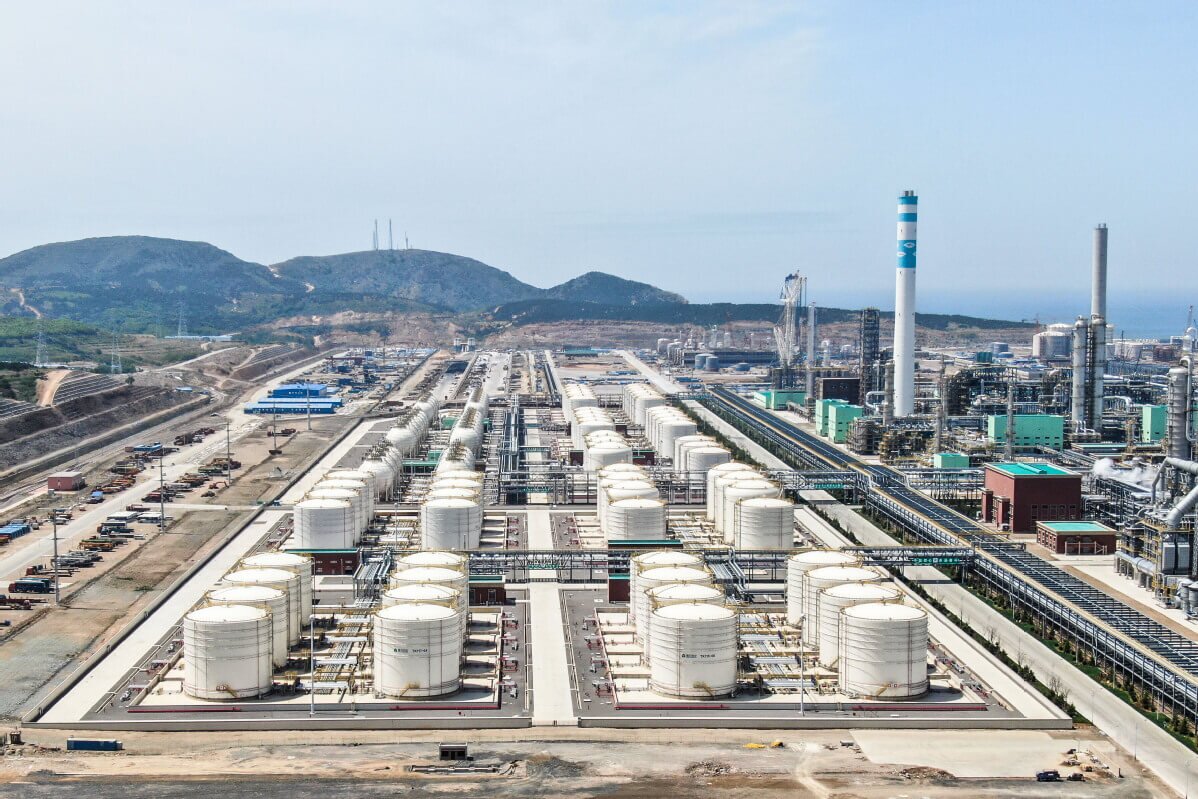
 Running one of the world’s largest integrated refining and chemical production parks takes more than a few high-pressure reactors and a handful of basic distillation columns. Zhejiang Petroleum & Chemical Co., Ltd., known across the industry as ZPC, operates direct from Zhoushan on China’s eastern coast. The range of products rolling out from our stacks and pipelines rivals anything you could find in the world’s major chemical hubs. Every shift, the control rooms and field operators guide a heavy stream of crude oil into high-conversion processing, yielding tons of fuels, intermediates, and value-added chemicals. At the center of the lineup—refined fuels, basic petrochemicals, and downstream derivatives—are absolutely critical for both domestic and global industrial demand. The sheer scale and process intensity here gives us a unique vantage point on both the challenges and responsibilities involved in producing such a wide spectrum of products.  A typical conversation about refining leads straight to talk of gasoline, diesel, and jet fuel. ZPC produces vast quantities of these, with an emphasis on reaching both national and export standards. Since marine shipping and aviation fuel depend on consistent, quality-controlled output, our plants operate non-stop to feed this relentless energy appetite. Getting the sulfur and aromatic content just right isn’t a matter of ticking regulatory boxes; it requires careful reaction control and smart catalyst use over months on end. We see ourselves as more than just a supplier—families, logistics companies, and even emergency response teams depend on that reliable supply chain. Just as important as the fuels, though, are the cracker products that flow from our large-scale ethylene and propylene complexes. Steam crackers turn naphtha and light hydrocarbons into base chemicals like ethylene, propylene, and butadiene. These stand as the true building blocks for the downstream units—feeding polyethylene, polypropylene, and other resin units that then supply packaging, textiles, automotive, and electronics industries. Ethylene oxide and propylene oxide leave the intermediate plants and enter specialty chemical routes, moving on to become surfactants, glycols, and plasticizers. Manufacturing at this scale, it's always clear that the reliability of our upstream units dictates the pace and output quality all the way down the line. When feedstocks are off-spec, nobody turns a blind eye; teams work around the clock to pull adjustments, minimize waste, and keep both safety and efficiency in balance.  Aromatics production marks another major strength. Benzene, toluene, and xylene streams ranked among the highest in the national output over the past several years. Downstream, PX (para-xylene) output supports China’s rapidly growing polyester industry—think clothing, bottles, and industrial fibers. Turning crude aromatics into PX on a continuous basis demands ongoing investment in catalyst life-cycle management and plant reliability. The fluctuations in Asian polyester demand ripple directly into how we run our reformers and extractors. Layout and operations at ZPC focus on closing the loop: the residual streams and offgases from one unit feed into the next, cutting down waste and squeezing every bit of productive potential from the hydrocarbons. Value addition takes multiple routes. For instance, polypropylene and polyethylene lines feed both commodity and specialty markets. Polyolefins from our plants travel out in the form of chips and pellets to converters and extruders who form the backbone of China’s manufacturing base. Each run must match customer expectations on melt flow, impact resistance, and optical clarity—a non-trivial task at this operating scale. For ethylene glycol and propylene glycol, each batch draws scrutiny because these are critical for a broad span of automotive and electronics applications. If glycol purity slips, antifreeze and circuit board makers notice almost immediately.  Operating at this level isn’t simply about pushing out tons of chemicals and chasing higher capacity. Each plant manager and control technician knows that the products circulating through our tanks and railcars enter real lives, from the plastic bottles people use every morning to the synthetic fibers in their clothes. We’ve invested steadily in energy efficiency upgrades, tighter emissions controls, and smarter process integration to meet stricter environmental limits. Benzene and aromatics require careful handling at every transfer point—no shortcuts—since workers’ health and the environment remain at the core of every safety review. Hundreds of thousands of tons of waste water leave the plant only after extensive purification. It’s expensive, it’s technically challenging, but there is simply no alternative for responsible operation.  Integration forms the backbone of how ZPC manages complexity, cost, and quality. Coordinating operations between crude distillation, catalytic cracking, reforming, aromatics extraction, and polymerization eliminates gaps and wasted energy that less connected sites can’t hope to match. In practice, this means residue streams from fluid catalytic cracking get rerouted into hydrogen generation or LPG recovery rather than burned or dumped. The thick web of inter-unit piping and process control systems reflects years of planning and technology investment. We also push digitalization further each year, using advanced analytics to predict catalyst run lengths, spot process fouling before it cascades, and take small but meaningful steps toward a low-carbon future. Demand is never static—neither are our product slates. Whenever downstream converters need new grades of polypropylene or our technical teams see fresh opportunities in C4 derivatives (for example, isobutene and methyl tert-butyl ether), we recalibrate production plans, modify reactors, and invest in new purification and finishing lines. It keeps the plant both dynamic and competitive. Regulatory and sustainability pressures shape decision-making, forcing us to re-think how we balance diesel production against growing demand for petrochemical feedstocks in a world pivoting to recycle and reuse.  Running a complex of this scale underpins both huge opportunity and relentless logistical puzzles. Supply chains need to function through typhoon season, raw material price swings, and global disruptions. Building robust contingency stocks for both crude and vital chemicals helps reduce exposure, and training plant crews for rapid switchover protects uptime. Sometimes, you pivot overnight—switching feedstock blends, accelerating a maintenance cycle, or throttling back on lower margin products to prioritize what the market demands that week. Sustainability isn’t a buzzword here. It’s a running concern among every engineering and procurement team. We’re moving into waste recycling, VOC recovery, and carbon capture integration. Piloting new catalyst systems that lower benzene in gasoline, expanding the use of hydrogen from waste gases, and fine-tuning every liter of steam and electricity means more than saving on utility bills. It marks a serious attempt to secure the future of large-scale chemical production in an era of rising expectations and tighter environmental rules. The experience we bring as an actual manufacturer grounds all major decisions in operational details and practical outcomes, not marketing promises or abstract targets. Mobile: +8615365186327E-mail: sales3@ascent-chem.comWebsite: www.zhejiang-petroleum.com
Read More
What is the relationship between Zhejiang Petrochemical Refinery and Zhoushan Refinery?
2026-04-29

What is the relationship between Zhejiang Petrochemical Refinery and Zhoushan Refinery?

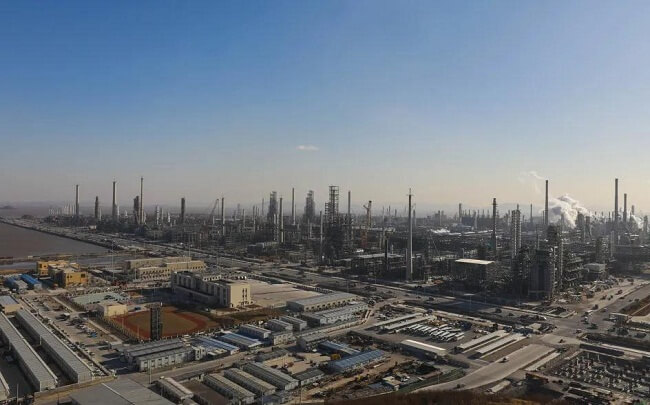
 As a manufacturer grounded in the daily business of handling raw materials and managing output, we've worked repeatedly with large refining complexes in eastern China. Many discussions among industry insiders circle back to Zhejiang Petrochemical Refinery and the so-called “Zhoushan Refinery.” There’s quite a bit of confusion in market circles and even within procurement groups who ask, “Are these different plants, or are they the same?” The reality is far less mysterious on the ground. Zhoushan refers to the region—an island city with deep-water access ideal for unloading massive crude carriers. Zhejiang Petrochemical is the actual refinery operating in this zone. When we talk with logistics providers or check storage schedules at bonded tanks, “Zhoushan Refinery” always points to the integrated project run by Zhejiang Petrochemical. This setup allows for import shipments direct from the Middle East and Africa, with minimal wait times, cutting a significant amount of downtime out of the import process. Over the years, this has made our raw material lead times more predictable and helped us tie contract negotiation tightly with actual shipment windows.  Vertical integration has become the flavor of the month across refining and petrochemicals, but for manufacturers, it translates directly into cost efficiency and reliable supply. Zhejiang Petrochemical built its refinery and chemical chain in a phased approach, linking crude import, catalytic cracking, and downstream processing into a single, contiguous zone. Our purchasing teams have seen firsthand the savings this brings—not only reduced transportation charges but fewer quality complaints, faster specification updates, and quicker reaction times when upstream runs into trouble. Zhoushan’s geographic advantage combines with Zhejiang’s investment into equipment: ships offload in a fraction of the time compared with older onshore terminals. The plant’s configuration means we have had access to more grades of feedstock and specialty aromatics than any other domestic source for years, and this becomes more important as global supply routes shift under international trade changes. With supply chains tested by floating freight rates, product mix flexibility and detailed raw material traceability keep costs manageable. In short, referring to “Zhoushan Refinery” in trade talk is shorthand for the Zhejiang Petrochemical operation—there isn’t a parallel or competing entity in that district with similar capacity or configuration.  From a chemical manufacturer’s perspective, the output capacity of Zhejiang Petrochemical’s Zhoushan complex marks a significant turn for the competitiveness of Chinese bases. The facility’s multi-million-ton throughput dwarfs legacy independents, and process stability shows up in more consistent deliveries to customer plants like ours. Not only do we see this in volume; the quality difference stands out. Advanced hydrocracking and aromatics units at this refinery supply benzene and paraxylene with sulfur and nitrogen specs that line up far closer to imported benchmarks than older local plants. That allows us to produce higher-purity intermediates, supporting industries like film, fiber, resins, and even specialty solvents. From our ongoing batch records, yields have ticked up, complaint rates went down, and safety audits from multinationals flagged improvements they traced back to reliable upstream sourcing. Each time regulatory pressure rises around emissions or product traceability, having a source like this in our supply chain supports compliance, not just price competitiveness. The region’s shift towards larger, more sophisticated refineries puts smaller, less integrated plants under real pressure—something we feel when negotiating contract terms and raw material guarantees.  Complexes like the one in Zhoushan tie fortunes together: local manufacturers rely on these refineries to balance throughput between fuels and petrochemicals, and any disruption reverberates quickly. Several years ago, maintenance at upstream units prompted a wave of supply crunch for about a month, pushing our scheduling team into overdrive. Instead of hunting for backup supplies all over the Asian seaboard, we could rely on contingency delivery from within the Zhoushan bonded zone. Having this backup in proximity meant real continuity; it kept customers’ factories from idling and protected long-term trust in our supply. There is always risk—port delays, changing environmental rules, and shifting global demand. Our team prepares for these shocks by regular communication with refinery planners, technical managers, and logistics agents at Zhoushan. Because we understand how contracted barrels convert into on-site molecules, our pipeline to Zhejiang Petrochemical’s operation marks a genuine partnership, not simply an arm’s-length spot transaction.  As China tightens environmental control and raises the bar on product safety, refineries like Zhejiang’s in Zhoushan help midstream and downstream partners compete with the global pack. We track how they transition from relying on imported naphtha to using local feedstock. This transition pays off: fewer price shocks tied to international crude spikes, tighter blending controls, and an easier time clearing product audits from brand-name buyers in Europe, the US, and Southeast Asia. The project’s size means infrastructure improvements—ports, road links, and even on-site utility grids—that benefit all local industrial users, ourselves included. Critically, chemical producers benefit from the expertise and technical openness seen in the refinery’s dealings: regular data sharing, clear reporting of specification upgrades, and direct engagement on operational transparency. Over the past years, no other regional refinery has provided as reliable a partner for specialty chemical production. In our experience, this link between Zhejiang Petrochemical and “Zhoushan Refinery” is not semantic; it describes a practical, everyday partnership that keeps the region’s chemical supply chain strong and nimble, supporting innovation while anchoring core manufacturing output. Mobile: +8615365186327E-mail: sales3@ascent-chem.comWebsite: www.zhejiang-petroleum.com
Read More
Zhejiang Petrochemical Website: Your Gateway to China’s Largest Private Refinery & Petrochemical Complex
2026-04-29

Zhejiang Petrochemical Website: Your Gateway to China’s Largest Private Refinery & Petrochemical Complex

 Day in and day out, we wake well before dawn because making chemicals at Zhejiang Petrochemical is not a desk job. Every shift starts with boots on the concrete, safety glasses secured, and a double-check of production targets and maintenance priorities. Operating the largest private petrochemical complex in China never feels abstract. It demands resilience and constant oversight, whether managing crude feedstock logistics, cracking naphtha under intense heat, or troubleshooting an oxo-alcohols tower on a humid summer afternoon. That’s why the launch of the Zhejiang Petrochemical website matters—this is not just another digital brochure. For those of us on the frontline, it signals a deliberate move to pull back the curtain on operations and invite both industrial buyers and the wider public to see what’s behind the gates.  Over the years, chemical manufacturing in China often carried a reputation for opacity. Many competitors rarely published technical capabilities, onsite safety features, or filter process improvements. At Zhejiang Petrochemical, we learned early that responsible growth needs transparency. Clients who buy our aromatics for polyester, or ethylene for plastics, want far more than a product spec sheet; they want to understand supply reliability, process traceability, and contingency plans for their own risk management. Now, anyone can review unit capacities, sustainability investments, and even third-party audit certifications. This is not just marketing. When sourcing directors can verify information directly, it gives them confidence to diversify procurement away from state-owned giants. We field direct questions often: exactly how do we manage benzene volatilization? Can we isolate a batch history if there’s a regulatory inquiry downstream? These answers are now easier to find.  The scale at Zhejiang Petrochemical is more than a headline number. Feeding millions of tonnes of imported crude oil into our distillation towers forms just the baseline of our operation. The real work happens in the vast maze of reactors, exchangers, reformers, and blending units that turn simple hydrocarbons into raw materials for textiles, packaging, automotive parts, and coatings. Scale can bring risks—a small operational error might lead to significant losses or compliance issues. We invest in advanced control rooms, automated emergency shutdowns, and experienced engineers who monitor every process variable. Today’s digital assets, including this website, serve a dual purpose: they let external partners see firsthand the depth of investment and operational discipline running behind every drum and IBC we ship. This also builds lasting trust—critical when international brands weigh supply chain security in a volatile energy market.  China’s rapid move toward stricter environmental standards did not happen overnight. Our facility grew up alongside tightening regulation. Installing sulfur recovery units, NOx-reducing catalysts, and advanced wastewater treatment took more than capital. Every time a new requirement landed, from tighter VOC emissions tracking to energy intensity quotas, our operations teams needed to rethink processes and retrain staff. Through it, we prioritized transparency with locals and agencies. Bringing these improvements online shows more than compliance; it demonstrates a mindset shift toward collaboration, not just transactional sales. That’s why detailing sustainability measures on our website isn’t window dressing. Buyers from Europe or North America often ask pointed questions about offset strategies, effluent management, and circular economy projects. Now, documentation sits a click away for anyone to cross-reference or discuss with our technical teams. For a producer of our size, reputation hinges on proven follow-through at every step.  There is concern that the industry’s digital push could lead to greenwashing—style over substance is easy when posting a few glossy photos and bold promises. But our customers differ from casual browsers. Their due diligence teams request operating records, GHG baselines, incident logs, even third-party insurance coverage summaries. We welcome these requests because a facility of this magnitude inevitably draws scrutiny. The website provides a direct channel, cutting out static-prone rumor, incomplete third-party listings, and outdated government portals. Prospective partners access what they need, and if questions remain, our technical directors stand ready to provide plant-specific data or even host site visits. This level of openness lowers barriers for emerging markets, family-owned compounders, and small innovators who traditionally struggled to engage with large Chinese producers.  A public-facing website also affects talent acquisition and retention. Running complex petrochemical processes in phases from crude distillation to para-xylene production takes more than just machinery. We seek process engineers, safety managers, and instrumentation specialists who want more than a paycheck. They look for substance behind company claims, and a corporate website with real details attracts applicants who value professionalism and accountability. Our HR teams find that young engineers are quick to ask questions about the plant’s approach to worker safety, emergency response, and upskilling. By setting clear expectations online, we streamline onboarding and send a message throughout the industry: Zhejiang Petrochemical’s doors are open, and we have nothing to hide.  Of course, putting everything out in the open makes us accountable in fresh ways. Gaps become clear; improvement areas don’t stay private. Errors in shipping, rare off-spec batches, or minor incidents receive more attention once visible. But honest reporting disciplines us. As a manufacturer, we welcome honest feedback—no one can afford to get complacent in this business. Each time a potential partner uses the website to highlight a missing data point or ask for greater clarity, we gain new insight into customer priorities. These interactions influence investment decisions, research targets, and process upgrades for next year’s deliverables.  What matters most in chemical manufacturing is keeping production stable, quality high, and safety front and center. Zhejiang Petrochemical’s digital approach, by prioritizing transparency through its website, cuts through the old way of doing things. Direct dialogue, verifiable data, and a willingness to show the unvarnished reality—these build the foundation for long partnerships and steady business growth. Every shipment, every project, every question asked is another opportunity to prove what industrial expertise at scale looks like, right from the source. Mobile: +8615365186327E-mail: sales3@ascent-chem.comWebsite: www.zhejiang-petroleum.com
Read More
What Products Does Sinopec Zhejiang Zhoushan Petroleum Co., Ltd. Mainly Produce?
2026-04-30

What Products Does Sinopec Zhejiang Zhoushan Petroleum Co., Ltd. Mainly Produce?

 For those of us working each day at Sinopec Zhejiang Zhoushan Petroleum, there’s no mistaking what our core production lines look like. Petrol, diesel, and jet fuel make up the backbone of our facility’s output. We draw on decades of refining know-how to ensure every ton meets the rigorous standards both the domestic and export markets expect. Every shift, engineers check the refining towers, distillation columns, and blending tanks—attention to detail keeps impurities minimal, sulfur content low, and octane or cetane ratings in the narrow ranges users demand. These liquid fuels end up flowing into the cars, trucks, planes, and ships that drive China’s economy. Commercial partners count on our reliability: they expect not only a steady flow but also fuels that withstand both summer heat and winter’s depth. It’s not unusual for customers to send back feedback on engine performance, especially from those running high-mileage fleets, and we keep those comments in mind next time we tinker with process adjustments.  Besides standard fuels, our plant turns out a range of petrochemical feedstocks, such as naphtha, liquefied petroleum gas, and propylene. These aren’t glamorous products, but they’re absolutely vital to thousands of manufacturers across the Yangtze River Delta. Local plastic plants convert our naphtha into ethylene and then polyethylene or polypropylene that become packaging, film, fibers, or auto parts. If a regional cable producer requests tighter specs for insulating compounds, our technicians coordinate to adjust blends or distillation cuts right at the refinery. In today’s tighter margin environment, small changes in the purity or composition of these base chemicals make a noticeable difference downstream. I’ve visited a plastic molding plant where even a minor improvement in naphtha stability translated into fewer line shutdowns. Our support teams meet regularly with these users, walking the floor and comparing trial lots side by side with standard grades.  Fuel oil and bitumen produced here supply regional shipping, power generation, and road construction projects. Over the past decade, Zhoushan’s location near key shipping lanes puts us in a unique spot to supply bunker fuel to vessels heading between Asia and the Pacific. Ship operators often remark on the reliability and cleanliness of our marine fuels—they care deeply about minimizing residue buildup, which can cause delays or engine wear after weeks at sea. Highway builders come to us every paving season to order bitumen cut to regional viscosity ranges, since road performance depends heavily on both the source and type of crude we refine. I’ve walked job sites where a well-graded batch from our plant led to fewer cracks and less repair work year after year, which saves municipalities time and millions in maintenance. Our lab team always tracks seasonal variations and blends additives precisely; if you’ve ever driven on a major highway across Zhejiang, chances are good that you’re rolling over a surface started right at our facility.  Across every product line, quality consistency matters to every customer, whether they’re a logistics firm filling hundreds of trucks, an airline fueling jets, or a chemicals plant running 24-hour shifts. With stricter emission caps and demand for cleaner products growing year by year, our investment in desulfurization technology ramps up. Updating hydrotreating units, fine-tuning catalysts, training younger process engineers—it’s a constant cycle, but if we don’t keep pace, our clients quickly notice. Down the line, more feedstock from bio-derived sources will find its way into the mix, and customers will push for less carbon-intensive materials. Looking ahead, recycling and circular economy models call for rethinking how we handle everything from off-spec batches to waste byproducts.  Our facility doesn’t operate in a vacuum. The jobs on-site, plus the orders we place with local machinery firms, transport companies, and traders, have real impact across the region. Close collaboration with research centers in Zhejiang and Shanghai spurs smarter process controls and the rollout of new products—for example, lower-loss lubricants and fuel blends that help shipping lines comply with evolving International Maritime Organization mandates. We host technical exchanges with downstream users frequently; I recall one tour with a specialty chemicals firm where our process engineers and their R&D team mapped out new ways to optimize heavy naphtha for aromatic production. Feedback from partners feeds directly into monthly production planning, keeping us on the path to higher value and sharper quality control. Sometimes it’s as simple as a call with a local plastics buyer, sometimes it’s a multi-week trial with filter manufacturers who need ultra-pure polypropylene.  At every stage, the products we supply demand full attention: both safe handling and meticulous adherence to standards. We continue to upgrade our monitoring systems—to spot even minor deviations—since prevention beats any correction after the fact. We stick by strict transparency for product traceability, and our QC team shares results with buyers to build long-term trust. Going forward, the push to decarbonize places extra responsibility on us, but our roots are in adapting to change. Each batch, each contract, and each customer request ties us deeper into the networks that keep cities running, goods moving, and new products coming to market. That sense of purpose powers every production run we make. Mobile: +8615365186327E-mail: sales3@ascent-chem.comWebsite: www.zhejiang-petroleum.com

Read More
